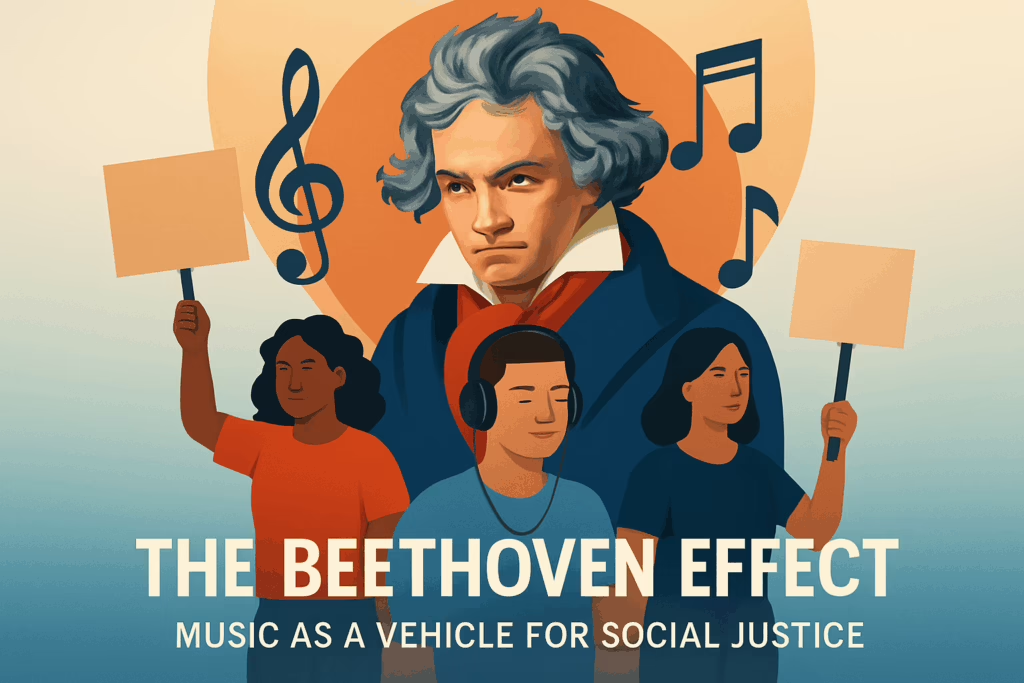
The Beethoven Effect: Music as a Vehicle for Social Justice
Music has long served not only as a source of entertainment but also as a powerful means of communication and societal transformation. With its profound ability to evoke emotion and inspire action, music holds a unique place in the quest for social justice. The term “The Beethoven Effect” refers to the idea that music, like Beethoven’s compositions, can transcend barriers to influence positive change in various social dimensions. This article delves into the intricate relationship between music and social justice, exploring how music serves as a catalyst for awareness, empathy, and activism. It is crucial to understand this connection because music has the potential to amplify marginalized voices, unite communities, and drive movements for equity and justice.
The Historical Role of Music in Social Movements
Throughout history, music has played an instrumental role in fueling social movements and fostering collective identity. For instance, during the American Civil Rights Movement, songs such as “We Shall Overcome” and “A Change Is Gonna Come” became anthems of hope and resistance. These songs were not merely entertainment; they were rallying cries that provided strength and unity to those fighting against racial segregation and injustice.
Similarly, in South Africa, music was a critical element in the struggle against apartheid. The haunting melodies and powerful lyrics of artists like Miriam Makeba and Hugh Masekela communicated the deep pain and frustration of a people constrained by oppressive laws. Through concerts, performances, and underground recordings, these musicians raised global awareness about the plight of South Africans, boosting international support for the anti-apartheid movement.
Music as a Tool for Empathy and Awareness
One of the most profound ways music contributes to social justice is by fostering empathy and awareness among diverse audiences. Songs often tell stories that allow listeners to step into the shoes of others, offering perspectives that they might not encounter in their daily lives. For example, contemporary artists such as Kendrick Lamar tackle issues of racial inequality and systemic injustice through compelling narratives in their music.
- Kendrick Lamar’s “Alright”: This song became an anthem for the Black Lives Matter movement. Its lyrics and melodies echo themes of resilience amidst adversity, encouraging listeners to remain hopeful and united in the fight against systemic racism.
- Hozier’s “Take Me to Church”: Addressing issues of homophobia and religious hypocrisy, Hozier’s poignant lyrics have sparked conversations about LGBTQ+ rights and acceptance worldwide.
The emotional power of these songs drives listeners to question their beliefs, challenge societal norms, and often, stand in solidarity with the oppressed.
Music Education and Accessibility
The realm of music education plays a significant role in advancing social justice by ensuring accessibility and fostering inclusivity. Ensuring that music education is available to children from all socio-economic backgrounds is crucial for developing a society that values diversity and expression. Music programs like El Sistema in Venezuela offer children from underprivileged communities the opportunity to engage with music, which can lead to broader educational and social opportunities.
El Sistema has been remarkably successful in demonstrating how music education can transform lives. By providing free access to musical instruments and lessons, the program has created pathways for children to achieve personal and academic success that otherwise might have been inaccessible. The impact of these initiatives extends beyond the individual, as they nurture communities committed to collaboration and mutual support.
Music as Activism and Advocacy
Music holds the power not only to reflect social challenges but also to actively participate in advocating for change. Musicians have historically used their platforms to draw attention to injustices and mobilize supporters for various causes. From benefit concerts to protest songs and collaborative projects, the music industry has continually sought innovative ways to employ its influence for advocacy.
An illustrative example is the “Live Aid” concert held in 1985, which was organized to fund famine relief in Ethiopia. The event drew massive audiences worldwide and successfully raised both funds and awareness about the crisis. In more contemporary settings, artists like Childish Gambino use music videos as a medium for commentary on current socio-political issues, exemplified by his critically acclaimed “This Is America.”
These acts of musical advocacy highlight the ability of artists to enact change and challenge societal paradigms, making them integral players in the pursuit of social justice.
The Future of Music and Social Justice
In today’s digital age, the dissemination of music has reached unprecedented levels. Social media platforms and streaming services allow for the rapid and vast spread of music that carries messages of social justice. Musicians and listeners alike are witnessing the dawn of a new era where digital tools empower the fight for equity.
| Platform | Purpose |
|---|---|
| Spotify | Playlists like “Black Lives Matter” amplify music related to social causes. |
| YouTube | Video content provides avenues for artists to deliver powerful visual and audio messages. |
| TikTok | Viral challenges and clips bring attention to social issues among a younger audience. |
Artists and activists are capitalizing on these platforms to keep conversations alive and hold individuals and institutions accountable. The emerging synergy between music and technology promises a future where the pursuit of social justice can leverage global networks, diversifying the call to action.
Conclusion: Harnessing the Transformative Power of Music
The Beethoven Effect encapsulates the extraordinary capability of music to transcend cultural, linguistic, and temporal boundaries to enact societal change. As a vehicle for social justice, music fosters awareness, empathy, and activism, serving as an indispensable tool in the ongoing fight for equality and human rights. By examining the historical and contemporary intersections of music and social justice, we gain insights into the unique power of art to drive movements and inspire progress.
As listeners and creators, it is our responsibility to engage with music thoughtfully and use it as a force for good. By supporting artists who champion justice, participating in music programs that promote inclusivity, or simply spreading the word about songs that resonate with social issues, we can all contribute to a more just and equitable world. Together, let us harness the transformative power of music to unite, uplift, and propel collective action toward a fairer future for all.
Frequently Asked Questions
What is the “Beethoven Effect” and how does it relate to social justice?
The “Beethoven Effect” is a term that captures the transformative power of music to drive social change, much like the compositions of Ludwig van Beethoven, which are often seen as boundary-defying. This concept underscores music’s unique ability to communicate beyond words, making profound emotional connections that can inspire action and introspection. In the context of social justice, music becomes a vehicle for expressing societal grievances, rallying communities, and stimulating reform. Beethoven himself was a revolutionary figure whose works broke away from traditional structures, mirroring the aspirations of innovation and justice in society. Thus, the “Beethoven Effect” is a compelling reminder of how art can be leveraged in the struggle for equality and fairness, serving both as a unifying force and a catalyst for dialogue on societal issues.
How has music historically contributed to movements for social justice?
Throughout history, music has played a pivotal role in social justice movements by amplifying the voices of the oppressed and galvanizing support. During the Civil Rights Movement in the United States, songs like “We Shall Overcome” resonated deeply with activists, providing hope and a sense of solidarity. Similarly, anti-apartheid music in South Africa, exemplified by artists such as Miriam Makeba and Hugh Masekela, drew international attention to the struggle for racial equality. These songs not only energized protestors but also shed light on injustice to a global audience. In more recent times, genres like hip-hop and rap have emerged as powerful commentaries on social issues, tackling topics from systemic racism to economic inequality. Music’s ability to transcend cultural and linguistic boundaries makes it an enduring and indispensable aspect of social justice movements worldwide.
Can classical music, such as Beethoven’s, still be relevant in today’s society for promoting social justice?
Absolutely, classical music, including the works of Beethoven, remains relevant in promoting social justice today. Beethoven’s music is often associated with themes of struggle and triumph, embodying a spirit of resilience and hope that is timeless. His compositions, such as the Symphony No. 9 with the “Ode to Joy,” have been emblematic of unity and brotherhood and have been used in various contexts to signify peace and solidarity. Furthermore, classical music continues to be repurposed in modern settings, fostering dialogues about social issues through contemporary interpretations and performances. Orchestras and ensembles around the world creatively integrate classical music into multicultural repertoires, using its universal appeal to bridge divides. By engaging with classical music in innovative ways, artists and activists can highlight its enduring power to inspire change and address ongoing challenges in society.
How do artists today use music as a tool for social advocacy?
Today, artists leverage music as a dynamic tool for social advocacy by creating songs that address pressing societal issues and reflect the lived experiences of marginalized communities. Musicians utilize lyrics to tell personal stories of adversity and resilience, raising awareness about injustices such as racial discrimination, gender inequality, and climate change. Platforms like social media amplify these messages, allowing artists to reach vast audiences and inspire collective action. For example, artists like Beyoncé, Kendrick Lamar, and Billie Eilish have infused their works with themes of empowerment, resistance, and environmental activism, sparking conversations and mobilizing fans worldwide. Moreover, collaborations between artists and social movements further enhance the impact of music as an advocacy tool, as seen with benefit concerts and charity singles that allocate proceeds to support various causes. This synergy between music and social advocacy underlines its continued importance as a medium for promoting change and justice.
What role do educational institutions play in fostering the “Beethoven Effect” for promoting social justice through music?
Educational institutions play a crucial role in fostering the “Beethoven Effect” by providing platforms for music education that emphasize its potential for social impact. Schools, colleges, and universities can incorporate curriculum that explores the intersection of music and social movements, encouraging students to critically analyze how compositions have historically influenced change. Ensembles and music programs can engage students in performances centered around themes of social justice, promoting empathy and broader cultural understanding. Additionally, by hosting workshops and guest lectures with socially-conscious artists and activists, educational institutions can inspire students to use music as a tool for advocacy. Through collaborative projects and community outreach initiatives, students can apply their skills to address local and global social issues, harnessing the power of music to create a more equitable society. This educational perspective not only nurtures musical talent but also empowers students to become change agents, using creativity to transform their world.