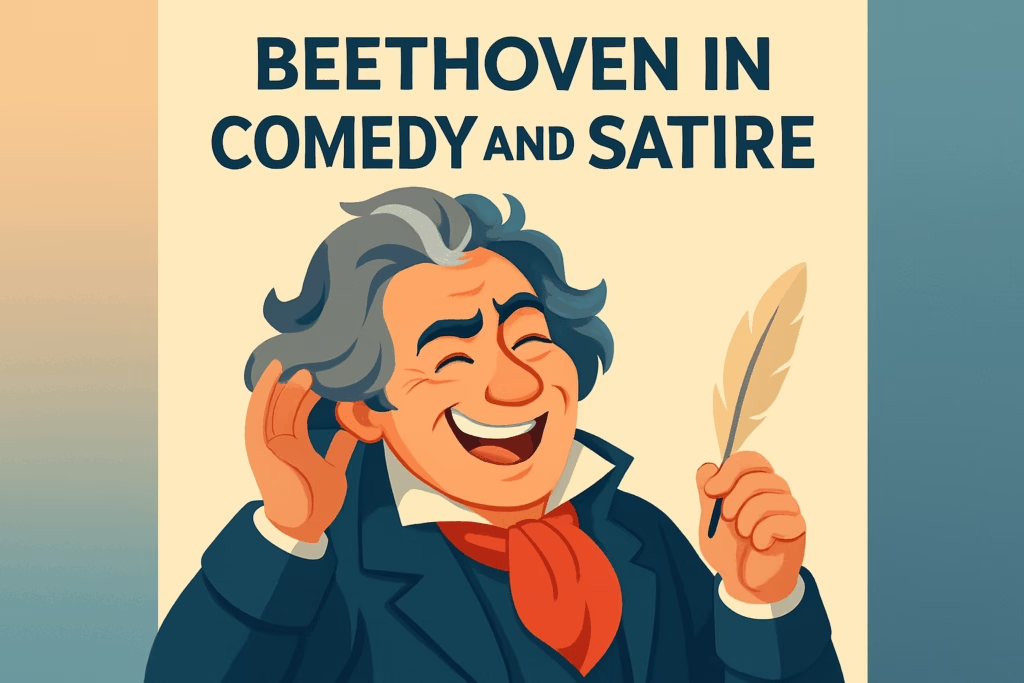
Parodies of Beethoven in Comedy and Satire
The realm of classical music is often perceived as a domain of serious intellectual pursuit, emotion-laden compositions, and artistic reverence. Ludwig van Beethoven, one of classical music’s titans, epitomizes this image with his revolutionary compositions and dramatic personal story. However, like many cultural icons, Beethoven has not been immune to the comedic lens. Parodies, pastiches, and satirical takes on Beethoven and his music have permeated entertainment, creating a space where high art intersects with humor. Understanding the intersection of Beethoven’s work with comedy and satire not only provides a fresh perspective on the austere world of classical music but also reflects on the broader cultural dialogue around how we engage with revered historical figures. This examination is more than a humorous riff; it uncovers the layers of human interaction with art, offering insight into how humor can demystify and democratize what might otherwise seem inaccessible.
The History of Beethoven Parody
The use of parody in music is not new; it has been a vital part of musical culture for centuries. Beethoven’s compositions, recognized instantly by their powerful motifs and sweeping emotions, are ripe for playful reinterpretation. The act of parody involves taking celebrated works and exaggerating or twisting elements to bring out hidden humor. In the case of Beethoven, this can mean altering tempos, rhythms, or contexts in which his music might typically be found, all for comedic effect. Historical examples showcase an enduring fascination with making light of Beethoven’s high seriousness, a testament to both his influence and the universality of humor.
Film and Television: Beethoven as a Comedic Icon
Perhaps one of the most notable mediums where Beethoven has seen abundant parody is in film and television. Popular shows and movies that often dabble in high comedy have utilized Beethoven’s works or likeness to humorous ends. A notable instance is the film “Bill & Ted’s Excellent Adventure,” where Beethoven is portrayed as a rock star when brought to modern times. In the film, his music gets an 80s pop culture twist, showcasing both admiration and a whimsical take on his legacy.
Television has not shied away either. Comedy shows like “The Simpsons” have frequently used Beethoven’s music for comedic skits that play on the contrast between high art and mundane suburbia. His works are often the backdrop to scenes of chaos, amplifying the absurdity through juxtaposition. Such representations invite audiences to appreciate Beethoven in contexts far removed from the concert hall, reminding us of the versatility and lasting impact of his music.
Musical Comedy: Beethoven Takes Center Stage
Beethoven’s music has also found its way into the world of musical comedy. Various comedic musicians have taken it upon themselves to reimagine Beethoven’s pieces. For example, the renowned musical parodist “Weird Al” Yankovic, known for his clever and humorous renditions of popular songs, plays with classical tunes, although Beethoven is not his primary target. However, his ethos exemplifies how Beethoven could be adapted: complex and familiar enough that playful twists become both audibly compelling and comically surprising.
Similarly, Victor Borge, a pianist and comedian, became famous for his acts that combined piano performance with humor. His approach often involved taking recognizable classical melodies, including those of Beethoven, and infusing them with unexpected comedic turns. Such performances have given audiences a chance to appreciate Beethoven’s music while simultaneously enjoying hearty laughter, breaking down barriers between sophisticated art forms and accessible entertainment.
Beethoven in Animated Parody
Animation studios have long relied on Beethoven’s music to add depth and humor to their creations. Cartoons like “Looney Tunes” and “Tom and Jerry” have used his compositions to great comedic effect. One famous skit is “The Cat Concerto,” where Tom amusingly attempts to play Beethoven’s music, only to be thwarted by Jerry, who creates chaos with a comical twist. This short brilliantly showcases the juxtaposition of high culture and slapstick humor, bringing both the music and its parody to a wider audience.
The use of classical music in cartoons serves a dual purpose—it acts as an introduction to these pieces for children while allowing adults to appreciate the layers of humor in the music’s misalignment with on-screen antics. By repurposing Beethoven’s work in animation, creators bridge generational gaps and highlight music’s universal allure by embracing a spirit of playful inventiveness.
Parody in Modern Internet Culture
The digital era has only enhanced the ways Beethoven’s work can be parodied. The internet, with platforms like YouTube and TikTok, has given rise to countless creators who find novel ways to engage with and reinterpret Beethoven’s music. From viral videos that humorously adapt “Für Elise” into unexpected soundtracks for everyday mishaps, to social media challenges where users attempt to play Symphony No. 5 in humorous contexts, the possibilities for parody are almost endless.
| Platform | Example Parody Content | Impact |
|---|---|---|
| YouTube | Comical reimaginings of Beethoven’s symphonies in different genres | Increased engagement with classical music among younger audiences |
| TikTok | Short skits using Beethoven’s music with added comedic lip-syncing | Wide-reaching and viral, exposing global audiences to his work |
| Memes | Images and soundbites combining Beethoven with humorous captions | Spread awareness and create a cultural bridge to classical music |
These digital expressions extend the tradition of parody into new spaces, allowing Beethoven’s music to be appreciated—and laughed at—in every corner of the world. Modern parody doesn’t just play with notes and timing; it also recontextualizes Beethoven for the digital age, showing the composer is as relevant now as ever, albeit in transformed ways.
The Theatrical Stage: Bringing Parody to Live Audiences
The stage has long embraced parody as a powerful tool to engage audiences. Beethoven’s presence in musical theater or comedy skits is often characterized by both admiration and irreverence. Take, for instance, “Beethoven: The Musical!”, a satirical commentary on the hypothetical drama within the composer’s life. Through comedic exaggerations and anachronisms, these portrayals highlight both the trials and triumphs of Beethoven’s life in entertaining yet insightful manners.
Such productions do not solely aim to generate laughter but also to provoke thought about the nature of genius and the complexities of artistic creation. Here, parody serves as a vehicle for critiquing and celebrating the myths surrounding great artists, encouraging audiences to reflect on the humanity behind the legend.
Mainstream Music: Sampling and Mashups
In the music industry, Beethoven’s works are often sampled or mashed up to create new compositions that blend classical with modern sounds. These adaptations can serve as both homage and humorous twist, as they highlight the stark differences between genres while confirming Beethoven’s malleability. Artists may sample “Ode to Joy” in a pop track, or remix “Moonlight Sonata” into an upbeat dance number, situating Beethoven’s legacy in the modern musical lexicon.
These reinterpretations bring Beethoven’s music to contemporary listeners in fresh and unexpected ways. Through the playful experimentation of different sounds, musicians illustrate how something centuries old can feel innovative, ensuring Beethoven’s work continues to resonate with diverse audiences. Such parodies and adaptations are more than homage—they are acts of cultural commentary that transform classical standards into symbols of modernity.
Conclusion: Embracing the Parodic Tradition
Parodies of Beethoven are not simply acts of humor – they play with the boundaries of reverence and irreverence, education and entertainment. By placing Beethoven’s masterpieces in comical contexts, creators invite audiences to engage with classical music through a fresh lens. These playful reinterpretations remind us that despite the passage of time, Beethoven’s impact on culture remains profound and multifaceted.
Engaging with these parodies allows us to appreciate the universality of his music and reveals its capacity to transcend genre and era. Through laughter, we find accessibility in Beethoven’s genius, encouraging a dialogue between the past and present. Whether through an animated skit, musical comedy, or modern internet meme, these parodies democratize classical music, inviting audiences young and old to embrace its beauty, albeit through a humorous frontier.
For those intrigued by these comedic takes, explore more by watching clips or listening to adaptations of Beethoven’s works. Attend parody-driven concerts or theater performances, where the lines between the maestro’s historical gravity and comedic creativity blur delightfully. In experiencing these unique interpretations, relish the reinterpretation of Beethoven’s influence as a continued testament to the lasting power of great music and the boundless creativity of humor.
Frequently Asked Questions
1. Why do comedians and satirists choose to parody Beethoven?
Beethoven is often seen as the epitome of classical music brilliance, combining both technical genius and deep emotional resonance in his works. This iconic status makes him an ideal target for parody and satire, as such humor often thrives on the contrast between a subject’s serious reputation and the comedic twist applied to it. By tapping into Beethoven’s enduring cultural iconography and the recognizable nature of his music and persona, comedians and satirists have a rich canvas to work with. They can create humor by either exaggerating his well-known traits, like his fiery temperament, or by contrasting his lofty musical aspirations with mundane or absurd scenarios. Additionally, cultural references to Beethoven are easily recognized by audiences, making comedic adaptations accessible and engaging. Through parody, humorists also have the opportunity to comment on broader themes, such as the nature of genius, artistry, and the sometimes overly reverent attitudes people have towards classical art forms.
2. What are some famous examples of Beethoven parodies in popular culture?
One of the most well-known examples of Beethoven parody in popular culture is the film “A Clockwork Orange,” which features a satirical take on Beethoven’s Ninth Symphony in both a narrative and musical sense – juxtaposing classical music with dystopian themes and violence. In the animated realm, “Looney Tunes” has repeatedly utilized Beethoven’s music to create comedic effects – such as when Bugs Bunny takes on the role of an irritable conductor interpreting Beethoven’s work with absurd and chaotic results. “Saturday Night Live” has also poked fun at Beethoven, crafting skits that humorously exaggerate the composer’s volatile personality and solitary existence. In recent years, web series and viral videos have also carried on this tradition of parody, offering exaggerated versions of the composer or placing his music in modern, unusual contexts. Each of these examples underscores the versatility of Beethoven’s music and persona as a platform for satire and comedy.
3. How do parodies of Beethoven differ from pastiches or other forms of homage?
While parodies of Beethoven are often comedic and involve exaggeration or distortion of the composer’s traits or music, pastiches and other forms of homage tend to be more respectful. A parody might play up Beethoven’s supposed grumpiness or elevate the physicality of his conducting to absurd levels, whereas a pastiche might involve creating new works in Beethoven’s style without the primary aim of poking fun. An homage relates more closely to admiration and respect, in which the artist seeks to honor Beethoven’s legacy, often using musical styles or themes echoing his compositions. Parodies are typically meant to amuse and entertain by highlighting contradictions or injecting Beethoven into incongruous situations, while pastiches and homages focus more on the technical and thematic emulation of his music. In summary, parodies often wield a comedic lens to both critique and celebrate Beethoven’s aura, whereas pastiches and homages explore the profound influence of his artistry more straightforwardly.
4. What function do Beethoven parodies serve in the broader cultural landscape?
Beethoven parodies serve multiple functions within the broader cultural landscape. Primarily, they make classical music, a subject traditionally seen as highbrow or exclusive, more accessible to a general audience. By situating Beethoven’s music and persona within contexts that invite laughter, parodies invite a wider variety of people to engage with classical music. This can help demystify the art form and encourage interest in exploring it further. Additionally, Beethoven parodies provide a critical lens through humor, exploring themes like the tensions between genius and eccentricity or the societal pressures faced by renowned artists. They explore the humanization of artists who are often placed on pedestals, drawing connections between Beethoven’s lived experiences and more universal human struggles. Furthermore, the comedic frameworks can provide social commentary on how society venerates or constructs mythologies around cultural icons, offering space to question established norms and expectations surrounding genius and creativity.
5. How do contemporary comedians approach parodying Beethoven compared to those in the past?
Contemporary comedians approach parodying Beethoven with a range of modern tools and perspectives that reflect current cultural trends and technologies. While past parodies may have relied on stage performances, radio, or static visuals, today’s parodies often use digital platforms, leveraging the instantaneous spread of content via social media and video-sharing websites. This allows for more rapid and widespread dissemination of parodic material, reaching a diverse global audience. In terms of content, contemporary parodists may incorporate modern sensibilities, such as referencing current pop culture or societal issues, blending them with Beethoven’s historical context to create humor that resonates with today’s audiences. Additionally, thanks to advancements in media, contemporary parodists can creatively integrate multimedia elements, such as remixing videos or employing sophisticated music editing software, to craft nuanced, humorous interpretations of Beethoven’s work. These methods contrast with past approaches, which emphasized live performance and simpler production techniques. Despite these technological and stylistic differences, the core themes of Beethoven’s perceived genius, iconic persona, and timeless music continue to provide fertile ground for both past and present satirical interpretations.