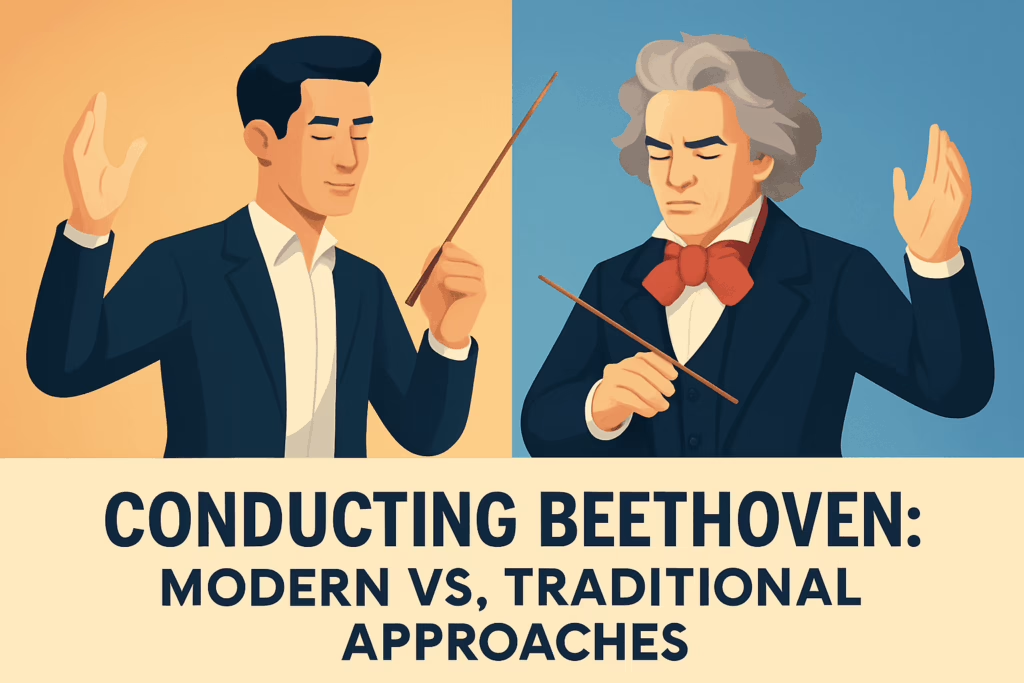
Conducting Beethoven: Modern vs. Traditional Approaches
Ludwig van Beethoven, a name synonymous with transformative classical music, has influenced musicians and composers for over two centuries. Yet, while Beethoven’s compositions remain timeless, the methods by which they are conducted continue to evolve. This evolution raises a captivating question: How do modern approaches to conducting Beethoven differ from traditional methods, and why does this matter in the contemporary musical landscape?
Conducting Beethoven involves not just leading an orchestra but interpreting his unique musical language, which blends emotional depth with dynamic contrasts and structural innovations. Traditionally, Beethoven’s works were performed with great respect to the historical practices of his time, emphasizing his genius by staying true to the way his music was originally intended to sound. Modern conductors, however, frequently adopt various innovative techniques, merging these classics with contemporary thought, technology, and interpretative dynamics. This blend of tradition and modernity offers enriched listening experiences to today’s audiences.
The significance of understanding modern versus traditional conducting approaches extends beyond the realm of music appreciation. It evokes broader questions about authenticity, innovation, and the ways in which we engage with historical art forms in contemporary contexts. How we choose to conduct Beethoven today speaks volumes about our cultural values, our technological advancements, and our quest for emotional connection through music.
Traditional Conducting: Preserving the Originality of Beethoven’s Works
Traditional conducting approaches focus on maintaining the authenticity and integrity of Beethoven’s works. Historically informed performance, a key element of this approach, seeks to reproduce the compositions as they were originally imagined, using period instruments and techniques. This perspective is driven by deep respect for Beethoven’s original intentions and the desire to bring his works to listeners the way they were first conceived.
For example, Sir John Eliot Gardiner, a renowned conductor known for his historical accuracy, often uses original instruments that Beethoven himself would have recognized. His recordings and performances strive to recreate the sound worlds known to Beethoven, emphasizing textural clarity and balance achieved by using gut strings and wooden flutes. Gardiner’s commitment to historical context offers audiences a lens into the past, a chance to hear Beethoven in a way that might align with the composer’s original auditory environment.
In essence, traditional conducting immerses listeners in an authentic experience that not only honors Beethoven’s genius but also helps preserve the cultural heritage embedded within his compositions. This is particularly compelling for historians and purists who seek to uphold the sanctity of classical music as it was originally performed.
Modern Approaches: Embracing Innovation and Emotional Interpretation
Modern conducting approaches, in contrast, not only embrace Beethoven’s raw genius but also infuse it with contemporary innovation. Conductors today often see themselves as creative interpreters who have the freedom to explore and expand upon Beethoven’s scores, using various technological and emotional tools available in the 21st century.
An illuminating example of such innovation is demonstrated by conductor Gustavo Dudamel. Known for his dynamic and passionate conducting style, Dudamel infuses Beethoven’s music with a vitality that resonates with modern audiences. Utilizing contemporary orchestration techniques, he often allows for greater flexibility in tempo and phrasing, creating a more spontaneous and emotionally charged performance.
Modern conductors may also use technology to enhance their performances. For instance, digital screens can aid in seamlessly coordinating large orchestras, while audio enhancements ensure sound quality matches Beethoven’s grand visions. These elements combine to create an immersive experience that feels relevant and resonant to today’s listeners.
Thus, while they respect the foundations laid by Beethoven, modern conductors leverage innovation and creativity to breathe new life into his time-honored compositions, making them accessible and appealing to diverse audiences. This flexibility in interpretation is what keeps Beethoven’s works not only alive but thriving in the modern era.
The Role of Technology in Modern Conducting
Technological advancements have played a crucial role in shaping modern approaches to conducting Beethoven. From digital orchestration tools to sophisticated sound engineering, technology has opened new possibilities in how classical music is performed and heard today.
- Digital Conducting Software: Advanced tools allow conductors to visualize complex scores more easily, facilitating precise coordination among orchestra members.
- Live-streaming: Concerts can reach a global audience in real-time, breaking geographical barriers and democratizing access to Beethoven’s music.
- Enhanced Acoustics: Modern venues with cutting-edge acoustic technology allow for richer sound reproduction, capturing the nuances of Beethoven’s work more vividly.
Real-world Impacts and Examples
One striking example of technology’s impact on conducting Beethoven is the digital concert hall initiative by the Berlin Philharmonic. Recognized globally for its innovative spirit, this orchestra has embraced technology by making its live performances of Beethoven’s symphonies accessible online through high-quality streaming services. This initiative not only reaches audiences worldwide but also employs sophisticated audio-visual technology to deliver performances with unparalleled clarity and immediacy.
The digital concert hall exemplifies how the convergence of traditional music with modern technology can broaden appreciation and understanding of Beethoven’s work. Such initiatives serve to engage a new generation of listeners, providing them with a platform to experience classical music in formats that align with their digital lifestyles.
Conclusion and Call to Action
Conducting Beethoven remains a fascinating dialogue between the past and present—where traditional and modern approaches each offer unique insights into his music. Traditional methods honor the historical context and foundational essence of Beethoven’s compositions, offering a purist’s view into his genius. Conversely, modern conductors infuse contemporary creativity and technology into their interpretations, making his music accessible and relevant to today’s audiences.
For those who appreciate classical music, understanding these dynamic approaches informs how we experience Beethoven, helping us recognize and appreciate the diverse tapestry of perspectives that bring his enduring compositions to life. As listeners and musicians, engaging with these approaches not only enriches our appreciation but also deepens our connection to one of history’s greatest musical minds.
We encourage you to attend a live performance, whether traditional or modern, and consider how each interpretation resonates with you. Interact with these performances by listening closely, perhaps even revisiting recordings to compare different approaches. In doing so, you’ll contribute to the living dialogue surrounding Beethoven’s legacy and ensure his music remains vibrant and vital for future generations.
Frequently Asked Questions
1. What distinguishes modern approaches to conducting Beethoven from traditional methods?
Modern approaches to conducting Beethoven can be quite distinct from traditional methods due to the evolution of musical interpretation, technology, and performance environment changes. Traditionally, conductors adhered strictly to the score, respecting historical performance practices and often the teachings or recordings of legendary maestros. These approaches prioritized fidelity to the composer’s original intent, often with little deviation from the established practices.
In contrast, modern conductors may employ a more flexible approach. Advances in musicology and access to a broader range of Beethoven’s manuscripts and notes enable a deeper understanding of his intentions and the context of his works. Moreover, contemporary conductors might incorporate modern techniques, such as using a variety of baton styles or even conducting without one to encourage a more fluid and interactive performance. They also often have access to sophisticated sound technology that can enhance or modify the performance in ways Beethoven could not have imagined.
These modern interpretations strive to connect Beethoven’s timeless compositions with contemporary audiences, sometimes emphasizing emotional resonance and cultural relevance over strict adherence to tradition. This has led to performances that are sometimes more dynamic, expressive, and perhaps even controversial, as they blend old with new influences.
2. Why is it important how Beethoven’s compositions are conducted in today’s musical landscape?
The way Beethoven’s compositions are conducted today holds significant importance for several reasons. Firstly, it determines how the music is received and appreciated by contemporary audiences. Modern listeners may find different nuances and emotional depths due to innovative interpretations that can reinterpret Beethoven’s centuries-old masterpieces in ways that resonate with today’s societal and cultural contexts.
Moreover, varying approaches in conducting affect musicians and orchestras, shaping their performance skills and artistic expression. Flexibility in interpretation fosters creativity among musicians, allowing them to engage more fully with the music rather than being constrained by rigid traditional practices.
Lastly, the manner in which Beethoven is conducted influences the preservation and propagation of classical music. By finding new dimensions in Beethoven’s work, conductors contribute to its enduring legacy, ensuring that it remains relevant and continues to inspire future generations. This balance between innovation and tradition is crucial as it ensures Beethoven’s music remains a dynamic and living art form.
3. How have technological advancements influenced modern conducting of Beethoven’s music?
Technological advancements have significantly influenced modern conducting of Beethoven’s music, enhancing both the performance and audience experience. Today, conductors have access to high-quality sound systems that can ensure clarity and balance even in challenging acoustic environments, such as large concert halls and outdoor venues. This allows nuanced details of Beethoven’s compositions to be conveyed with precision.
Recording technology also plays a crucial role. With the ability to record, review, and analyze rehearsals and live performances, conductors can refine their interpretations more effectively than ever before. Digital archives enable access to a wealth of performances and interpretations, allowing conductors to gain insights and draw inspiration from a global pool of musical talent.
Furthermore, technology facilitates greater historical research. Digitization of original manuscripts and historical documents provides conductors with direct sources of information about Beethoven’s own notations and intentions. This can lead to more informed interpretations that balance historical accuracy with modern expression.
In this context, technology acts as both a bridge to the past and a tool for innovation, ensuring that Beethoven’s works are not only preserved but also continually rediscovered and reinterpreted in new, exciting ways.
4. Can modern interpretations of Beethoven’s music clash with traditional classical music audiences?
Yes, modern interpretations of Beethoven’s works can sometimes clash with traditional classical music audiences, especially those who have a deep preference for historical authenticity and traditional performance practices. Such audiences often cherish the adherence to well-established interpretations they regard as genuine representations of Beethoven’s intentions.
Changes in dynamics, tempo, or instrumentation introduced by modern conductors may be met with skepticism or criticism by purists who prefer known landmark performances. They may argue that too much deviation can detract from the integrity of the original compositions.
However, many audiences appreciate innovation, finding that new interpretations breathe fresh life into Beethoven’s music, making it relevant and accessible to a wider range of listeners. As classical music seeking to attract new followers, such dynamic interpretations are vital, fostering a renewed interest and engagement with Beethoven’s works.
Ultimately, the tension between modern and traditional approaches reflects broader cultural debates about authenticity versus innovation, change versus continuity, and how best to honor the legacy of one of history’s greatest composers.
5. How do conductors balance innovation and tradition when interpreting Beethoven’s works?
Conductors balance innovation and tradition through careful study and a deep understanding of Beethoven’s compositions alongside a willingness to experiment and bring fresh perspectives to the music. Conductors often start with a historical approach, familiarizing themselves thoroughly with the composer’s documented intentions, traditional performance practices, and analyzing scores and manuscripts.
From this foundation, many conductors then explore how to make the music resonate with today’s audiences. This might involve adjusting tempos, dynamics, or even orchestrations, always with the conscious aim of maintaining the essential spirit of the work. Some conductors choose to emphasize certain emotional or thematic elements that they find pertinent to contemporary listeners.
The best conductors maintain a dialogue between the old and the new, understanding that their role is not merely a reproduction of past practices but a conversation with the music—a living art that speaks across time. It’s about bringing out Beethoven’s enduring humanity, innovation, and brilliance in ways that speak to each unique audience. This multifaceted approach ensures that Beethoven’s music remains vibrant and meaningful, maintaining its place at the heart of the classical repertoire.