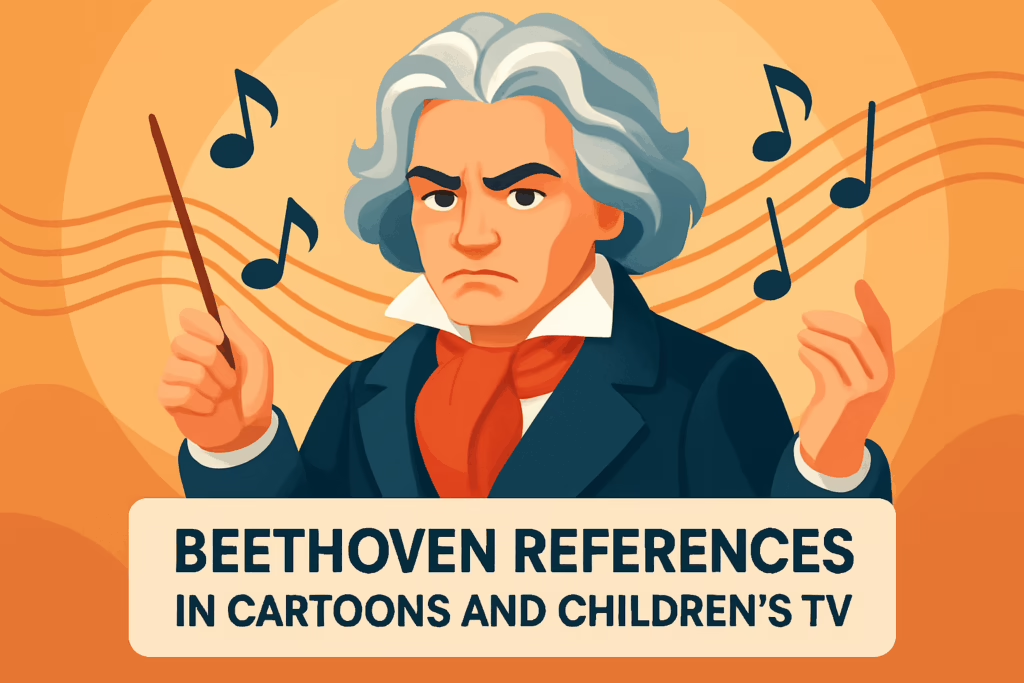
Beethoven References in Cartoons and Children’s TV
Introduction: The Influence of Classical Music in Pop Culture
Music is a universal language that crosses boundaries, transcends generations, and influences diverse forms of art, including cartoons and children’s TV shows. Among the myriad of classical composers, Ludwig van Beethoven holds a special place when it comes to being referenced in popular culture. His music and persona have permeated various forms of media, ranging from cartoons that entertain millions of children to educational TV programs. But why Beethoven, and why does it matter? This article delves into his profound influence on cartoons and children’s television, highlighting the significance of these references.
Beethoven’s compositions are celebrated for their emotional depth, complexity, and innovation. He’s often considered a symbol of musical genius, bridging the Classical and Romantic eras. In cartoons and children’s TV, Beethoven is not just a musical reference; he represents creativity, revolutionary thinking, and the triumph of spirit over adversity. Recognizing these references enhances the viewing experience, offering both entertainment and education about classical music. As we examine examples of Beethoven’s presence in children’s media, we will uncover the reasons behind these creative choices and what they reveal about how we engage with classical music today.
Beethoven in Classic Cartoons: A Timeless Melody
One of the most iconic ways Beethoven has been featured in children’s television is through classic cartoons. These animated shows often use his music to underscore comedic scenes, evoke emotion, or add a layer of sophistication. For instance, “Peanuts,” the animated TV special based on Charles M. Schulz’s comic strip, frequently incorporates Beethoven’s music, particularly through the character Schroeder. Schroeder’s relentless passion for playing Beethoven on his toy piano serves as a delightful homage to the composer’s enduring legacy.
The use of Beethoven’s music in these cartoons serves multiple purposes. Firstly, it introduces young audiences to classical music in a digestible and memorable manner. Secondly, the integration of these compositions establishes a sophisticated atmosphere that can deepen the viewer’s appreciation for the narrative. Cartoons like “Tom and Jerry” also leverage Beethoven’s symphonies to create dramatic effect during chases or slapstick sequences, showcasing how the music’s dynamism synchronizes beautifully with animated action.
Children’s TV Shows: Beethoven as a Character and Influence
Unlike traditional cartoons that incorporate Beethoven’s music, some children’s television shows take it a step further by making Beethoven a character within their narratives. A prime example is “Mister Rogers’ Neighborhood,” where Beethoven becomes part of educational segments aimed at young viewers. Through talking about Beethoven, his music, and sometimes even his personal struggles, the show delivers more than just entertainment—it fosters an appreciation and understanding of music history.
In shows like “Little Einsteins,” Beethoven’s influence is more direct, as his compositions are integral to the plot. Episodes often involve missions that seamlessly integrate classical music lessons with engaging stories, thus making learning fun and interactive. This format not only teaches musical concepts but also instills in children the value of perseverance and creativity, ideals often associated with Beethoven himself. The message is clear: Beethoven’s genius is not just to be admired but to be learned from.
The Symbiotic Relationship: Classical Music and Animation
The relationship between classical music and animation is mutually beneficial, with each enriching the other. Animation breathe new life into Beethoven’s masterpieces, making them accessible and exciting to new generations. On the other hand, the emotional and thematic depth of Beethoven’s compositions enhances the storytelling capabilities of children’s TV shows.
Consider how the juxtaposition of whimsical animation with Beethoven’s dramatic symphonies creates a unique atmospheric blend. Shows like “Animaniacs” creatively incorporate classical music into their segments, often portraying Beethoven humorously to both educate and entertain. This symbiotic relationship highlights how classical compositions can be used as a versatile storytelling tool, transcending their original context and offering new meaning within contemporary media.
- Peanuts: Features character Schroeder who idolizes Beethoven, frequently plays his compositions.
- Tom and Jerry: Uses Beethoven’s symphonies to enhance comedic timing and drama.
- Mister Rogers’ Neighborhood: Includes segments discussing Beethoven’s life and music.
- Little Einsteins: Integrates Beethoven’s music into educational storylines for children.
- Animaniacs: Employs Beethoven’s music for humorous and educational sketches.
Modern Interpretations: Digital Age and Accessibility
In today’s digital age, Beethoven’s influence is amplified through easy access to a plethora of media content. Streaming services offer a treasure trove of cartoons and children’s shows that feature classical music, allowing for greater accessibility. Shows such as “Looney Tunes” or “Baby Einstein” might not be new, but their availability on digital platforms ensures that Beethoven’s legacy continues to be appreciated by younger audiences.
This digital accessibility allows parents and educators to introduce classical music to children more conveniently than ever before. In turn, it fosters an early appreciation for musical arts and cultural history. Beethoven, alongside other classical greats, becomes a part of children’s lexicons at home, mirroring how “Goldberg Variations” became a staple in certain cartoon contexts. It signifies the enduring value of educating young minds through classical music, highlighting its relevance across different eras of animation and storytelling.
Conclusion: Beethoven’s Lasting Impact on Entertainment and Education
As we conclude our exploration of Beethoven’s references in cartoons and children’s TV shows, it’s clear that his oeuvre has left a significant imprint on popular culture. From embodying characters in narratives to being integral thematic elements in animated sequences, Beethoven’s presence in children’s television isn’t just about appreciating classical music; it’s about using his genius as a cultural touchstone to bridge generations. This cross-generational bridge fosters an appreciation for the arts outside traditional settings, turning what may have been perceived as ‘stuffy’ into something beloved by kids around the world.
Understanding how Beethoven’s music is woven into childhood experiences provides a new appreciation for both the composer and the medium of television as an educational tool. Parents and educators are encouraged to seek out shows that feature these references, integrating them into learning opportunities that go beyond simple screen time. The next step is simple yet profound: immerse yourself and your children in the world of classical music through the delightful lens of cartoons and children’s shows—a melody that harmonizes learning and leisure.
Frequently Asked Questions
1. How has Beethoven’s music been used in cartoons and children’s TV shows?
Beethoven’s music has been a staple in cartoons and children’s TV shows for decades. Its universal appeal and recognizable melodies have made it an ideal choice for underscore and parody. Shows like “Looney Tunes” have famously used pieces such as Beethoven’s Fifth Symphony, not just as background music but often as a central part of the storyline. For instance, in some cartoons, characters might perform his symphonies with comical instruments or engage in slapstick antics synchronized to his music. This entertains young audiences while introducing them to classical tunes in an accessible way. Additionally, educational programs targeted at children have incorporated his music to speak about his life, influence, and the character of his compositions, thus fostering an early appreciation of classical music in young viewers.
2. Why is Beethoven a popular choice for children’s programming?
Beethoven is a quintessential example of the quintessential ‘troubled genius,’ making his story incredibly compelling, even to younger audiences. His music, ranging in emotion from the dramatic to the tender, is expressive and engaging. Its intricate yet memorable melodies capture the imagination, lending themselves well to visual storytelling. In children’s programming, where stories are often boiled down to essential themes and emotions, Beethoven’s music aptly underscores pivotal moments. Furthermore, Beethoven’s reputation as a musician who overcame personal obstacles, like his encroaching deafness, makes his life an inspiring narrative for children, emphasizing themes of perseverance and passion. His status as one of the most renowned and easily recognizable composers also means that his inclusion adds a layer of sophistication and educational value to children’s programming.
3. Are there any specific educational programs that focus on Beethoven?
Yes, many educational programs have focused on Ludwig van Beethoven, exploring his life, his works, and the overarching impact he had on music and culture. A prominent example is “Beethoven Lives Upstairs,” an educational children’s film intended to inform while entertaining. This program leverages a historical narrative format to delve into Beethoven’s life story, using a dramatic lens to teach aspects of his personal struggles and achievements. Music programs available on platforms such as PBS Kids have also dedicated episodes or segments to Beethoven, offering trivia, animated sketches, and performances that aim to educate young viewers about his contributions while encouraging musical curiosity and appreciation.
4. How do cartoons use Beethoven’s persona or image, apart from his music?
Beyond just his music, Beethoven’s persona often appears in animated form in various cartoons. He is sometimes depicted as a hyper-focused, somewhat neurotic genius, creating humorous contrasts with more laid-back characters. Cartoons may employ exaggerated German accents, simulate his historically noted tempestuous nature, or have him get involved in quirky, musical misadventures. These portrayals can vary from playful caricatures to hyperbolic representations of his workaholic reputation. Sometimes, characters discover ‘lost’ Beethoven compositions, or Beethoven himself may appear as a time-traveling figure offering advice or criticism in modern contexts. These narrative choices give a face to the historical figure, reinforcing his legendary status and making him approachable and engaging for a young audience.
5. Can children understand and appreciate Beethoven’s music through these shows?
Absolutely, children can connect with and appreciate Beethoven’s music through these media representations. Cartoons and children’s TV programs often simplify complex themes and musical structures into more digestible parts, providing essential exposure in a context the audience can understand and enjoy. By embedding music within stories and relatable scenarios, children can interpret the emotional content of the music intuitively. Over time, such exposure might foster an appreciation or curiosity about the deeper nuances of classical music. Even if not immediately comprehended in its entirety, the exposure lays groundwork for an enduring relationship with music, possibly leading them to explore beyond these early encounters as they grow older.